




Matching ESCs and Motors: A Practical Beginner Guide

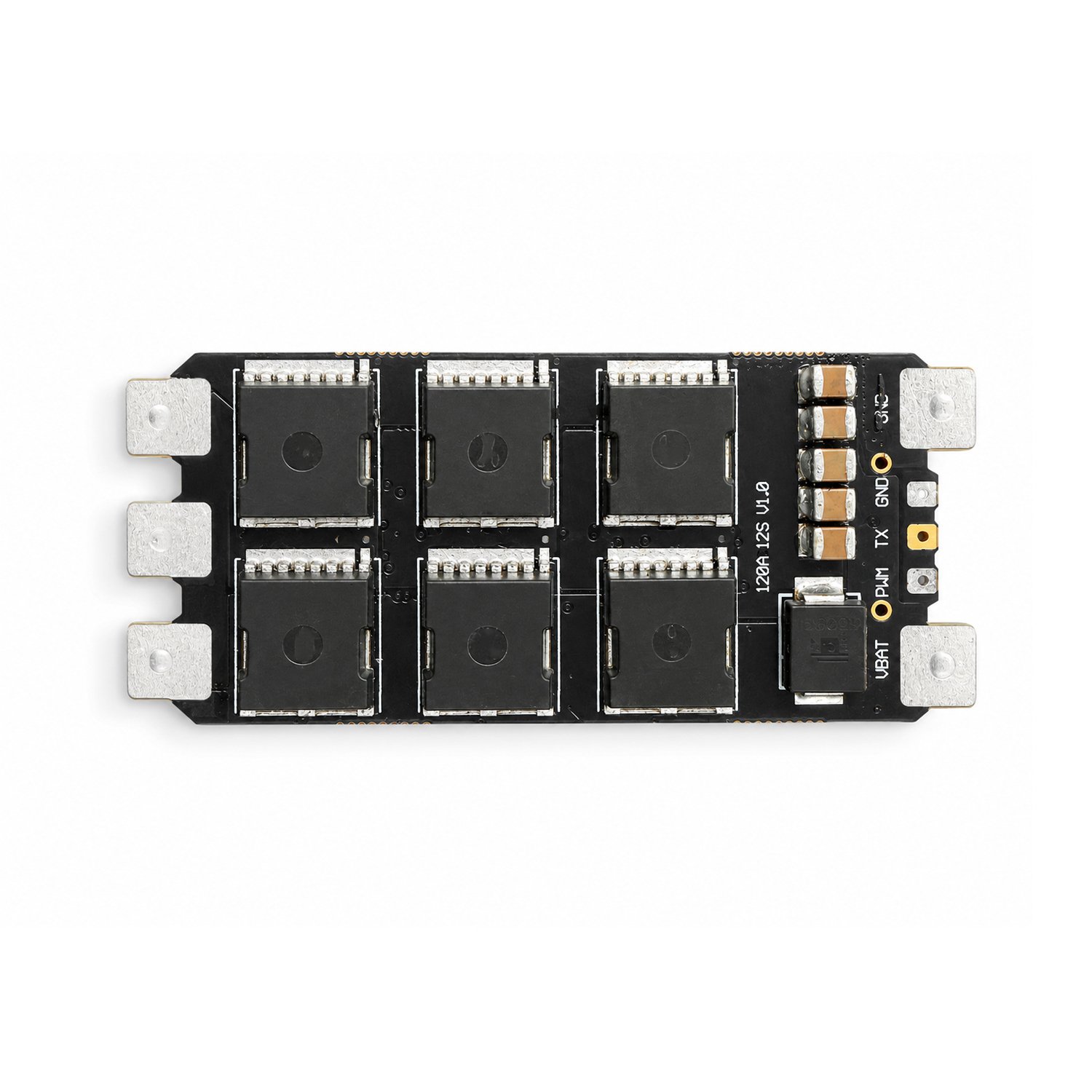
A mismatched power system is one of the most common causes of unreliable FPV builds, from burnt ESCs to rough throttle response. Getting a few fundamentals right will save you money and a lot of time in the field. This guide walks through current, voltage, signal protocol and cooling using the same checks our team applies to every QINGKONG build.

Understanding ESC ratings. An ESC rating tells you how much current it can deliver safely, how many battery cells it supports, and which signal protocol it understands. All three have to match your motors, battery and flight controller. Reading the label before you buy is much cheaper than replacing a burnt stack after a hard throttle push.
1. Match the Current Rating
Add up the maximum current of all four motors and choose an ESC with 20 to 30 percent headroom above the expected peak. An ESC rated too close to the limit will overheat on long throttle runs and may shut down mid-flight. Larger propellers, heavier cameras and aggressive tuning all raise peak draw, so leave margin for the finished aircraft rather than the empty frame.
2. Voltage and cell count. Make sure the ESC supports your battery configuration, whether that is 4S, 6S or higher. Running a pack beyond the ESC rated voltage is the fastest way to damage it. A higher-voltage setup can be more efficient for long range, but it also requires motors with the right KV and a flight controller that supports the input range.
3. Signal protocol. Modern stacks use DShot, commonly DShot300 or DShot600. Confirm that both the flight controller and ESC speak the same protocol, and set sensible firmware defaults before your first arm. If the motors beep or respond unevenly, protocol mismatch is one of the first things to check.

4. Motors, KV and propellers. Lower KV motors suit larger propellers and higher voltage, giving longer flight times and smoother long-range cruising. Higher KV motors with smaller props feel sharper and are better for freestyle. Motor size, propeller pitch and battery capacity all interact, so change one variable at a time when tuning a new build.
5. Cooling and layout. Good airflow over the MOSFETs, short battery leads and a clean stack layout all improve reliability. If you are building a heavier long-range rig, an ESC with a higher continuous rating is worth the small weight penalty. Browse QINGKONG ESCs and motors, or get in touch and we will help you put together a matched set for your frame.


