


How to Choose the Right FPV Drone for Your First Build

Introduction
Buying your first FPV drone is easier when you start with the flying rather than the spec sheet. At QINGKONG we build frames and complete rigs from 7-inch freestyle machines to 15-inch long-range platforms, and the same three questions come up in every conversation: how will you fly, what will you carry, and how easily can you repair it?
What Is an FPV Drone?
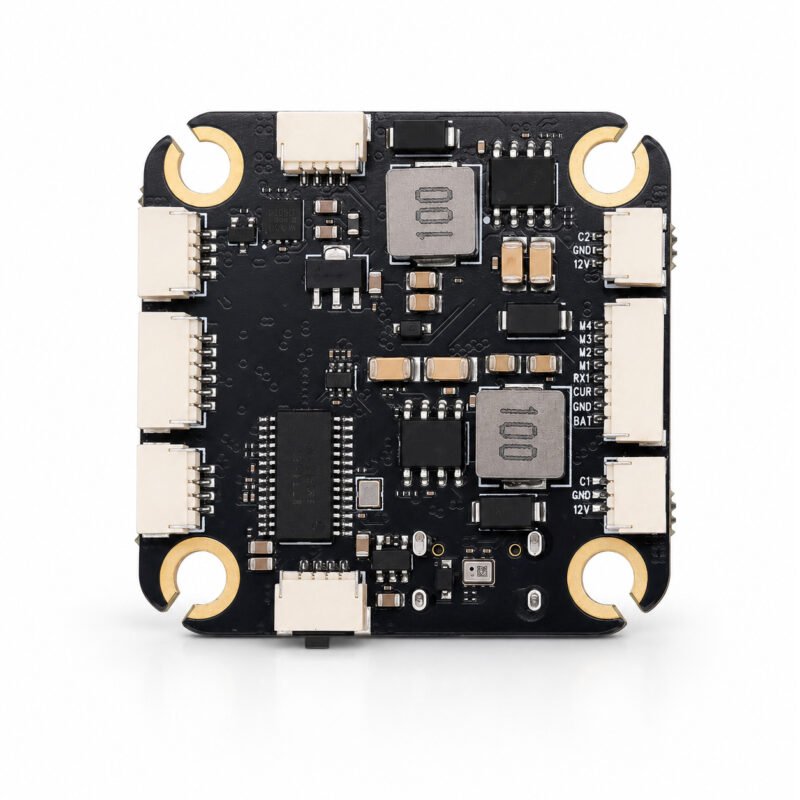
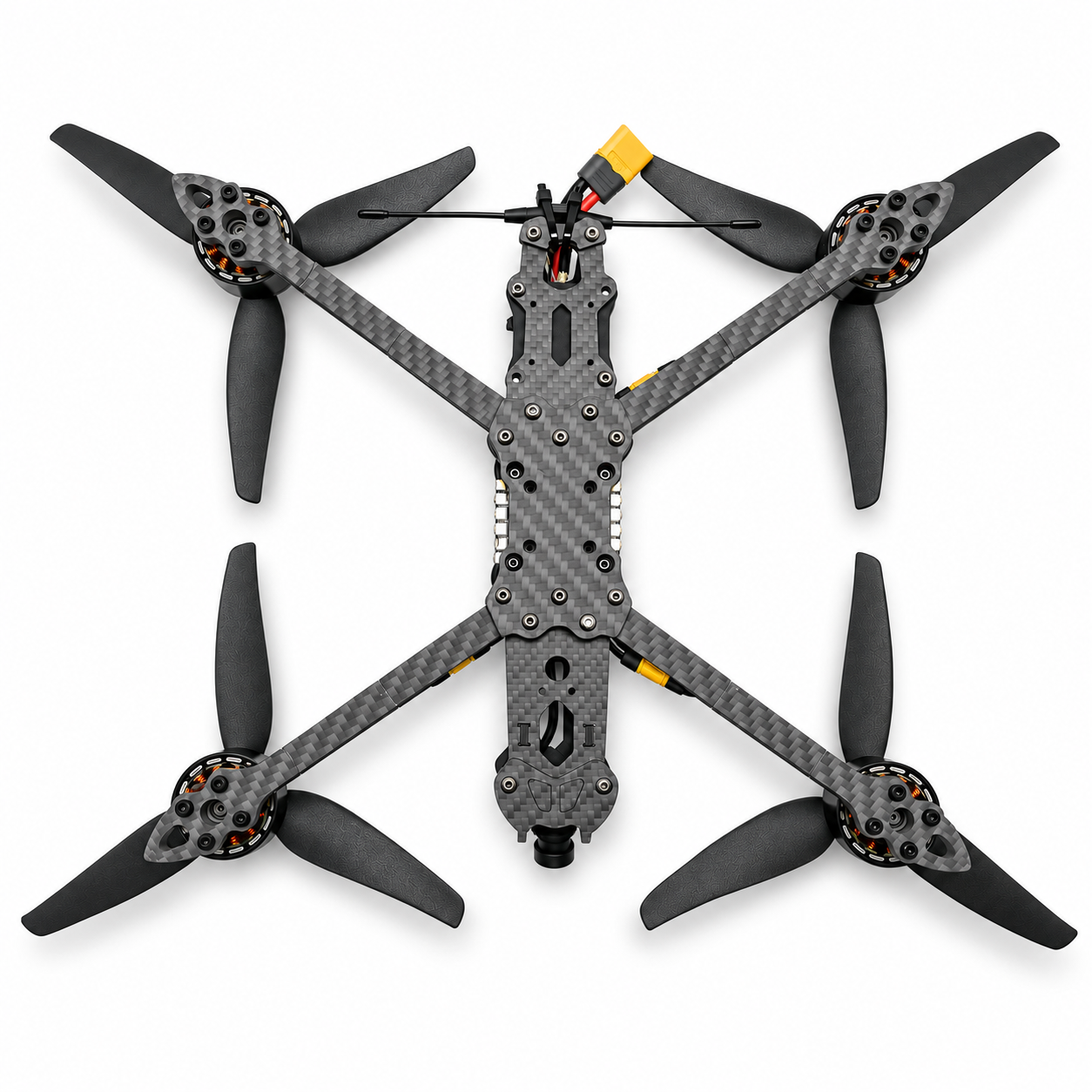
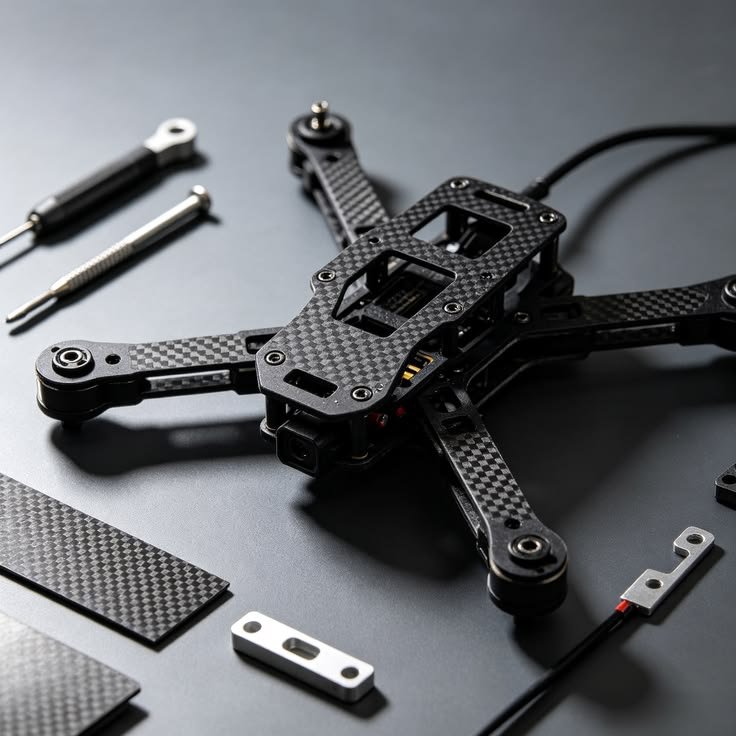
An FPV drone is a small airframe that combines a carbon-fiber frame, flight controller, ESCs, motors, propellers, a camera and a video transmitter. The pilot sees a live video feed through goggles or a monitor, which makes the aircraft feel far more direct than a conventional camera drone. Every component affects weight, response and flight time, so a balanced build always beats a list of isolated headline numbers.
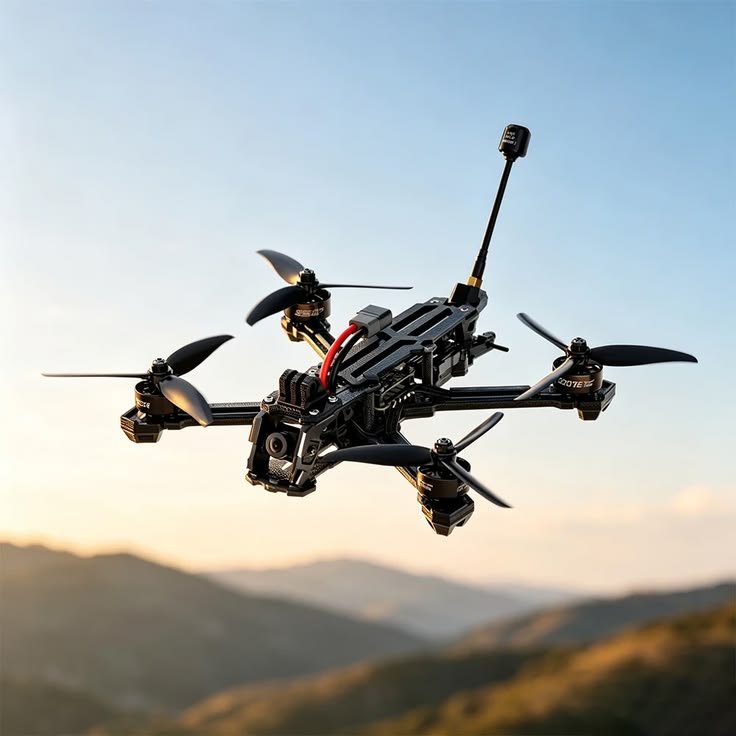
Choose by Flying Style
Freestyle and close-range acro. A light 7-inch rig is fast, agile and inexpensive to repair, making it the usual starting point. Long-range cruising and cinema flights. A 10 to 15-inch platform carries larger batteries, a stable camera and a digital VTX with far better efficiency. Decide which experience you want before choosing parts, because the two builds optimise for very different things.
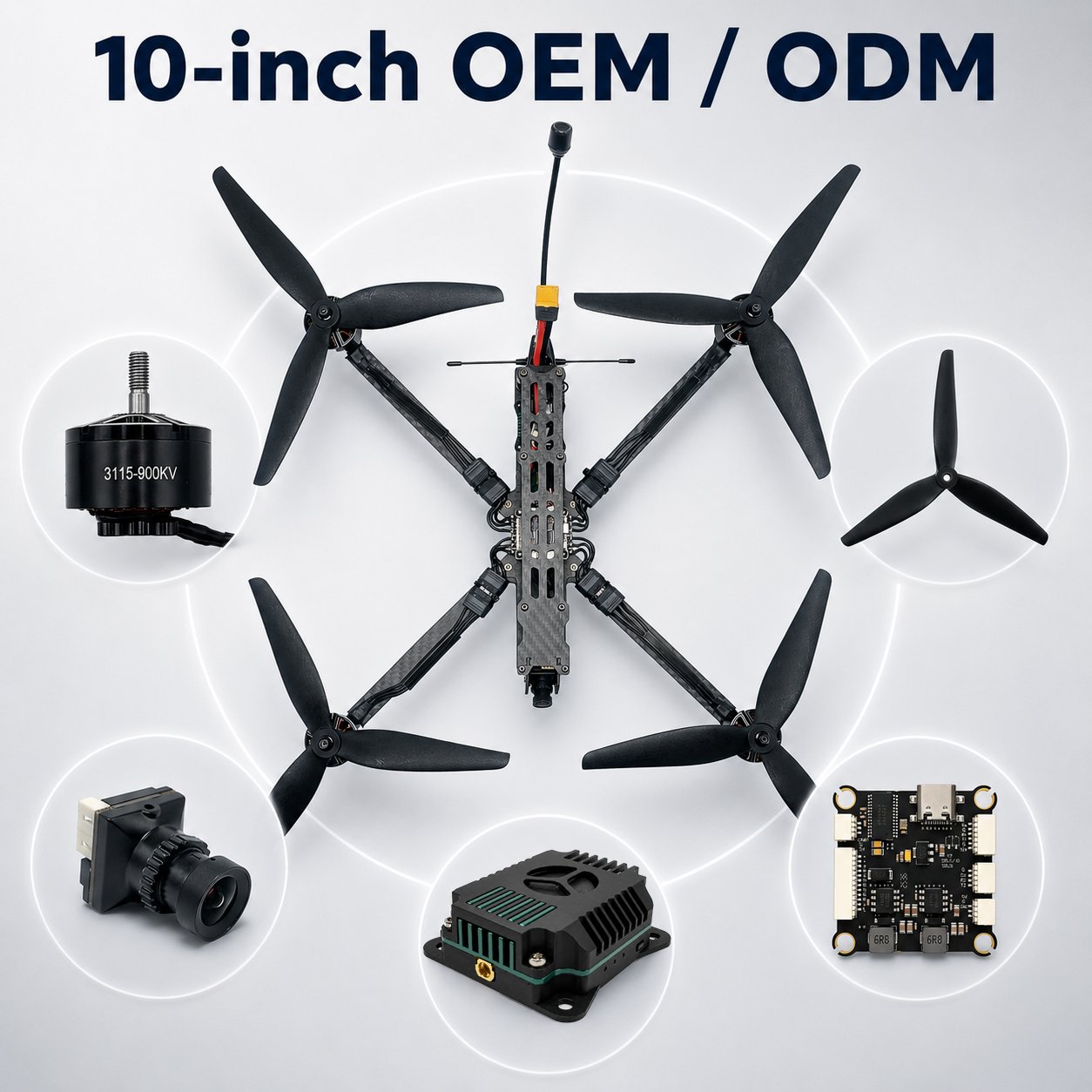
FRAME SIZE
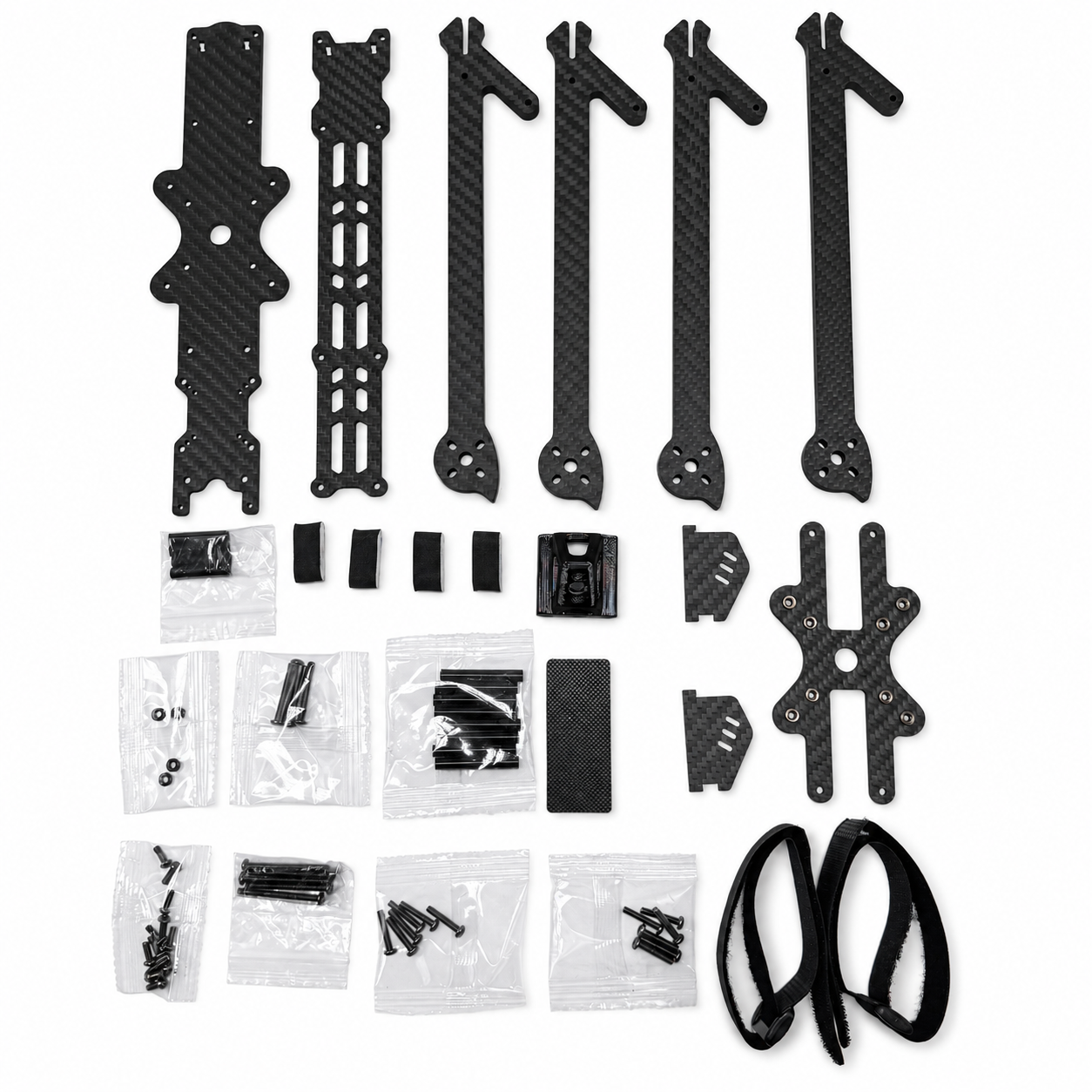
Frame size sets the propeller diameter, the available camera space and the amount of vibration the airframe sees. A 7-inch freestyle frame is compact and tolerant of hard landings. A 10-inch frame adds endurance and payload, while 13 and 15-inch frames are built for long, smooth flights with full-size action cameras. QINGKONG frames use replaceable arms and standard mounting patterns, so a crash usually means swapping one part rather than replacing the aircraft.
CAMERA & VTX
A naked GoPro or a lightweight micro camera suits a small rig, while a larger frame can carry a full-size action camera plus a digital video transmitter without shifting the centre of gravity. Leave physical room for the camera, secure the antenna properly, and check that the VTX power and channel plan suit the area where you fly. A clean video feed is worth more than an extra gram of thrust on most builds.
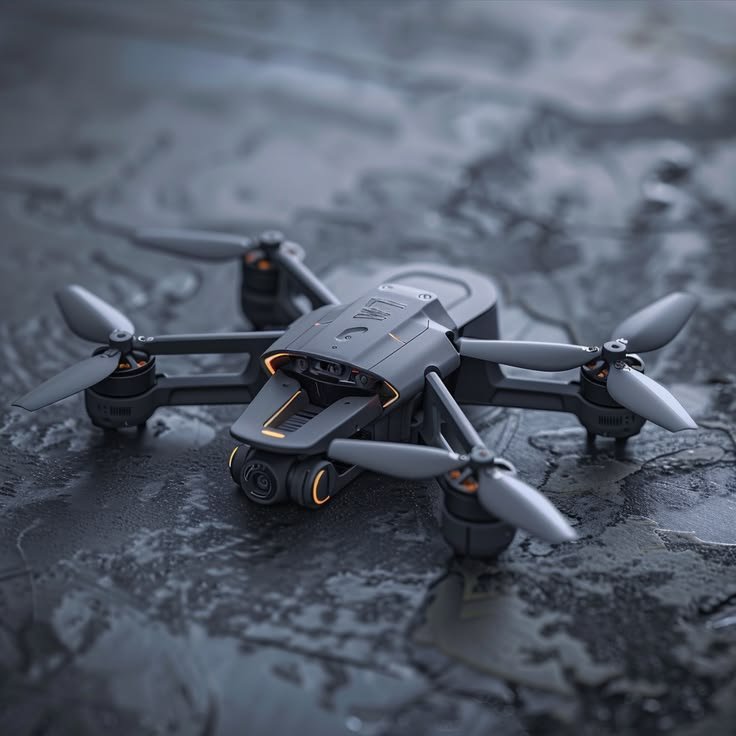
Motors, ESCs and batteries have to work as a set. Match the ESC continuous current to the motor peak draw with 20 to 30 percent headroom, choose a voltage that your ESCs and flight controller support, and leave enough capacity for the flight time you want. Heavier camera gear and larger propellers both increase current, so plan the power system around the finished aircraft rather than the bare frame.
POWER SYSTEM
Propellers and batteries. Propeller size and pitch change how a drone feels as much as motor KV does. Larger, lower-pitch props improve efficiency and flight time; smaller, higher-pitch props give a snappier response for freestyle. Carry a few spare sets, because bent propellers are the most common cause of vibration and awkward video. Match battery capacity and C-rating to the current draw of your chosen power system.
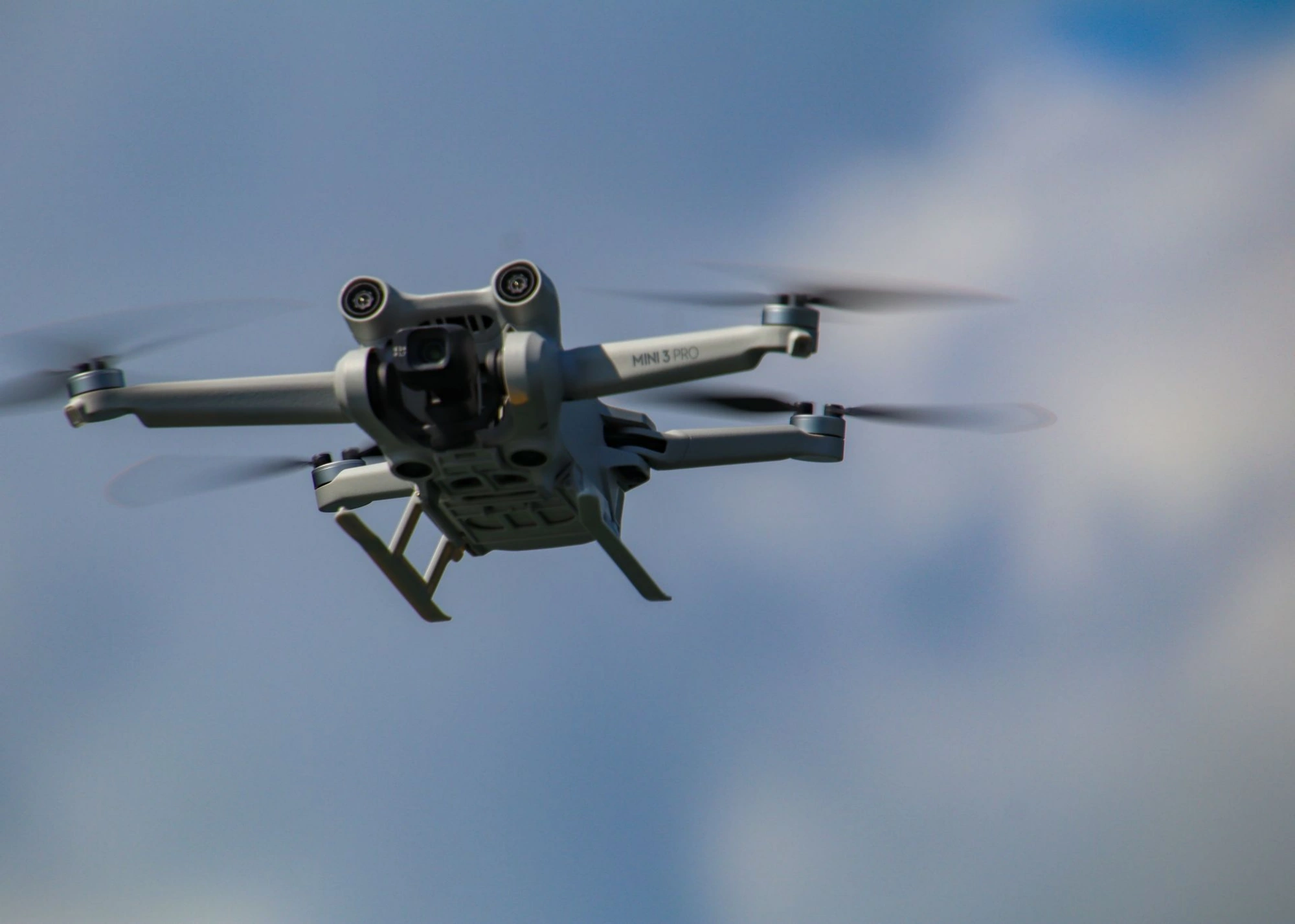
There are two common routes. A bind-and-fly drone arrives assembled and tuned, so you can fly sooner and learn the controls first. A custom build takes more time but teaches you how every part works and makes future repairs straightforward. Many pilots start with a BNF rig and move to a self-built QINGKONG frame once they know which size and camera setup they prefer.
BUILD OR BNF
Modular arms, stackable flight controller and ESC boards, and standardised hardware make a drone much cheaper to own over time. Route the battery leads away from the video transmitter, use rubber-grommeted stack mounting to reduce vibration, and keep spare propellers and arms in your flight bag. Good layout is the quiet difference between a drone that flies every weekend and one that spends months on the workbench.
The right platform makes learning safer and progress faster. An overpowered, heavy first build can be expensive to repair and intimidating to tune, while an under-powered cinema frame will not carry the camera you planned to use. Think about where you fly, what you want to record, and how much maintenance you are willing to do, then pick the frame size that fits those answers.
Why the Right Platform Matters
Start with a repairable frame and a motor/ESC combination that has real current headroom. Buy spare arms and propellers with the kit, check that the flight controller and ESC speak the same DShot protocol, and do a thorough hover test before your first battery. If you are still deciding, browse the QINGKONG FPV drone collection or contact our team for a recommendation based on your experience and goals.